PERIMETER & INDOOR HARBORAGE
Ant & Crawling Insect Control Solutions
Targeted, colony-eliminating solutions for black ants, red ants, silverfish and nuisance crawling insects based on affected zones, entry points and site conditions.
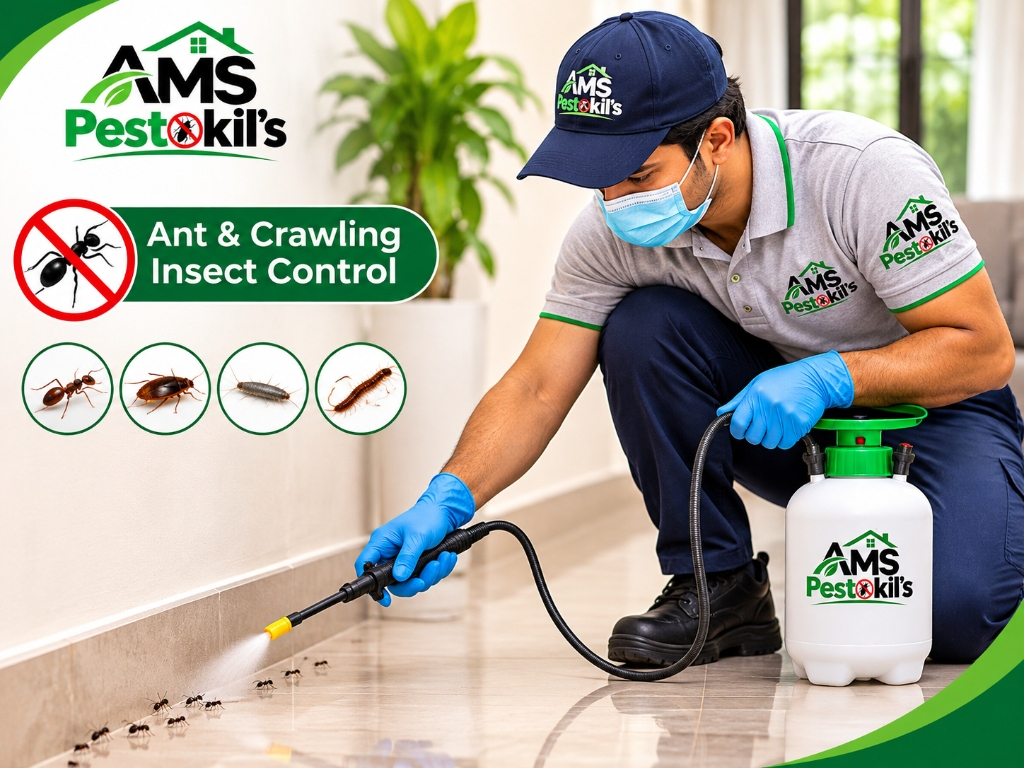 Perimeter Barrier
PEST PROFILE & INSIGHTS
Why Surface Sprays Fail Against Ant Colonies
Ants live in highly organized colonies that can house tens of thousands of individuals. When you see worker ants trailing across kitchen counters or balconies, you are only seeing a small percentage of the total nest population.
Over-the-counter aerosol sprays kill only visible foraging workers and frequently trigger "budding," where the colony panics and splits into multiple new satellite colonies.
In Bengaluru homes, Pharaoh ants and crazy ants frequently nest inside wall conduits, behind electrical faceplates, beneath window sills, and under bathroom tiles.
Silverfish and firebrats thrive in humid bathrooms and book cabinets, chewing on wallpaper paste, book bindings, and stored cotton garments.
WARNING INDICATORS
Signs of Ant & Crawling Insect Control Activity
Recognizing early warning indicators helps address the issue before significant damage or contamination occurs.
Continuous Ant Trails
Long marching lines of ants trailing along wall joints, kitchen backsplashes, door trims, or electrical switches.
Soil or Frass Piles
Small mounds of fine sand or debris ejected from tile expansion joints, baseboards, or patio pavers.
Damaged Stored Papers
Notched book pages, damaged cardboard files, or small irregular holes in linen and silk clothing caused by silverfish.
Nests in Planter Pots
Ant swarms emerging from balcony garden planters, exterior wall cracks, or tree roots touching windows.
INSPECTION HOTSPOTS
Frequently Affected Property Areas
Common harborages and structural zones where this pest is typically discovered during our site inspections.
Kitchen Countertops & Pantries
Sugar containers, sweet storage, sink drains, and spice racks.
Balconies & Garden Planters
Plant soil, patio tiles, sliding door tracks, and exterior ledges.
Bathrooms & Washrooms
Tile grouting gaps, concealed plumbing voids, and bathtub surrounds.
Libraries & Document Stores
Bookcases, cardboard file boxes, paper archives, and linen closets.
METHODOLOGY
Our Systematic Inspection Approach
Before recommending or applying any treatment, our technicians execute a structured diagnosis.
01
Trail & Nest Tracing
Observing ant movements to identify primary indoor harborages and outdoor satellite nesting sites.
02
Species Determination
Determining if they are sweet-eating, protein-seeking, or moisture-attracted crawling insects to select the right bait chemistry.
03
Entry Point Mapping
Pinpointing window sill cracks, weeping holes, and conduit openings where pests enter the premises.
TREATMENT TECHNIQUES
Targeted Treatment Protocols
Every formulation and application method is chosen based on pest species, property type, and safety parameters.
Specialized Ant Gel Baits
Placing attractive sweet-protein matrix gel dots along trails. Foragers consume and feed the bait back to the queen and larvae.
Perimeter Barrier Spray
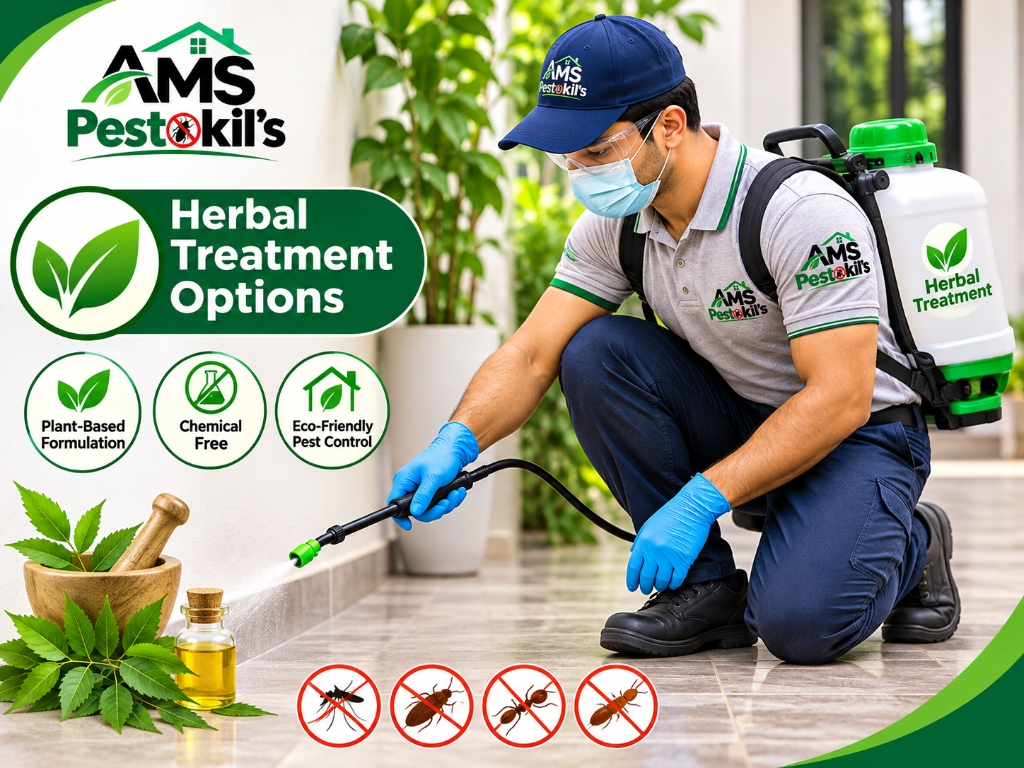
Applying low-odor residual liquid along baseboards, window thresholds, and balcony margins to block outdoor entry.
Dusting in Wall Conduits
Injecting safe, dry micro-dusts into switchboard cavities and masonry expansion gaps where liquids cannot be used.
Silverfish Moisture Treatment
Targeted residual application in damp utility areas combined with moisture-reduction recommendations.
CUSTOMER GUIDANCE
Preparation & Safety Guidelines
Simple measures to ensure the treatment is applied safely and achieves the highest efficacy for your premises.
STAGE 1
Before Treatment
Clean food residues and wipe away sugar syrups from shelves. Do not spray chemical aerosols over ant trails before technician arrival.
STAGE 2
During Application
Our technician will apply small gel dots along trails and spray perimeter margins. Gel is completely odorless.
STAGE 3
After Care & Safety
Let the ants feed freely on the placed gel for the first 24 to 48 hours; do not wipe it off or squash the feeding ants.
SUSTAINABLE PROTECTION
Long-Term Prevention Recommendations
Sustaining pest-free living requires sensible sanitation, moisture management, and physical exclusion practices.
Airtight Food Storage
Keep sugars, honeys, biscuits, and grains inside tight screw-top glass or food-safe plastic jars.
Re-Grout Loose Bathroom Tiles
Fill missing tile grout and caulk sink backsplash seams to eliminate damp hollows.
Check Balcony Planters
Repot heavily infested houseplants and avoid standing water in planter trays.
Wipe Sticky Spills Promptly
Clean fruit juices, tea drips, and honey jars immediately with warm soapy water.
CLEAR ANSWERS
Frequently Asked Questions
Common questions regarding our ant & crawling insect control procedures, safety measures, and expected timelines.
Over-the-counter sprays cause repellent stress. Ant colonies sense the hazard and split into multiple smaller nests across different rooms, worsening the infestation.
The gel is formulated with a slow-acting active ingredient. Worker ants carry it back into the nest and share it with the queen and brood via trophallaxis, collapsing the entire colony.
No. Our ant gel formulations are virtually odorless. If perimeter barrier sprays are applied outdoors or along baseboards, they utilize low-odor micro-encapsulated formulations.
Yes. We combine targeted ant baiting with specialized residual treatments and dusting in dark, humid hiding spots favored by silverfish.
RELATED SOLUTIONS
Complementary Pest Management Services
Often pest concerns occur simultaneously. Explore other targeted treatments we provide across Bengaluru properties.
TRANSPARENT & HONEST CONSULTATION
Need Professional Ant & Crawling Insect Control for Your Property?
Contact AMS PestOkils today for an honest, inspection-led assessment. We evaluate the concern and suggest a practical treatment approach tailored to your space.