STRUCTURAL & HEALTH PROTECTION
Professional Rodent Management Solutions
Assessment, exclusion recommendations, tamper-resistant baiting and monitoring options for rodent concerns in residential and commercial properties.
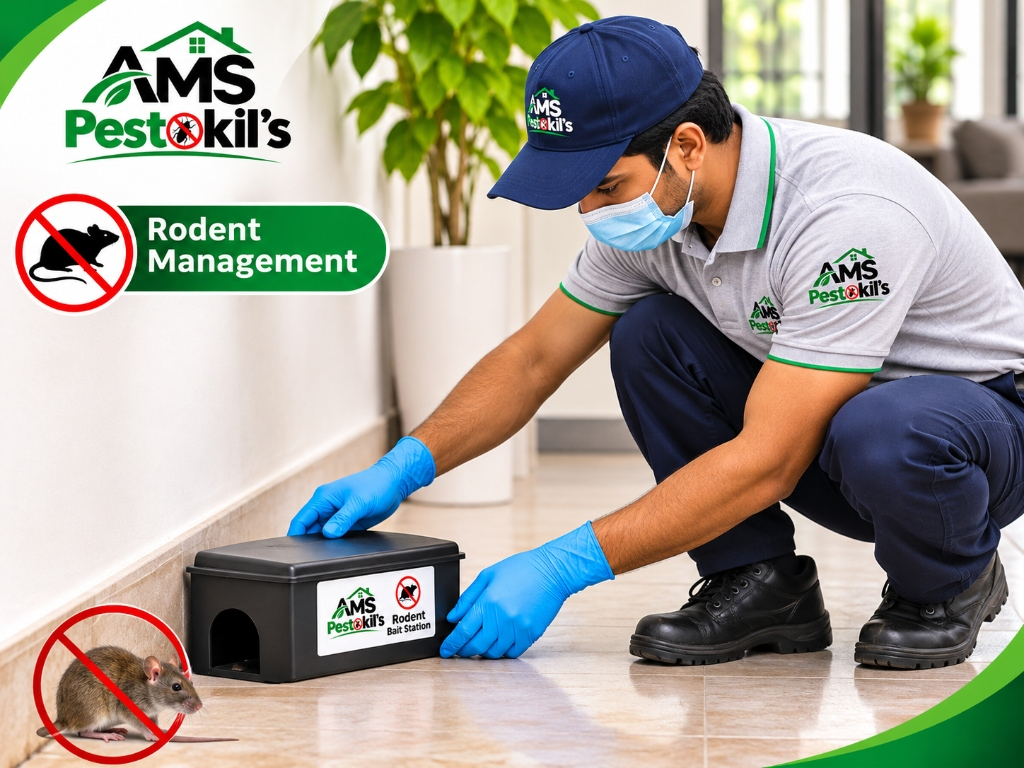 Baiting & Exclusion
PEST PROFILE & INSIGHTS
The Real Threat of Rodent Infestations
Rats and mice are capable of causing severe structural damage, electrical fire hazards, and serious health risks. Their instinctual gnawing damages network cabling, false ceilings, and insulation materials.
In urban buildings, roof rats (Rattus rattus) navigate electrical conduits, plumbing risers, and false ceiling grids with ease, nesting above populated living and working areas.
Norway rats burrow beneath foundation slabs, garbage holding areas, and drainage chambers, undermining paved surfaces and entering ground-floor premises.
Rodents carry harmful pathogens, contaminate food supplies with urine and droppings, and can chew through critical server wiring or automotive engine bays.
WARNING INDICATORS
Signs of Rodent Management Activity
Recognizing early warning indicators helps address the issue before significant damage or contamination occurs.
Scratching & Scurrying Sounds
Rustling and scampering noises inside false ceilings, wall cavities, or attic spaces, typically at night.
Gnaw Marks
Chewed electrical wires, wooden door bottoms, plastic packaging, cardboard storage, or PVC pipes.
Dark Droppings
Spindle-shaped black droppings found along floor skirting, behind heavy appliances, and near food storage.
Grease Rub Marks (Smears)
Dark, greasy smudges left along walls, baseboards, and beam ledges from sebum on rodent fur.
INSPECTION HOTSPOTS
Frequently Affected Property Areas
Common harborages and structural zones where this pest is typically discovered during our site inspections.
False Ceilings & Ductwork
Overhead electrical cable trays, HVAC ducts, and suspended gypsum ceiling voids.
Server & Electrical Rooms
Wire penetrations, server racks, electrical distribution panels, and raised flooring.
Pantries & Canteens
Grain stores, waste disposal zones, dishwashing areas, and under-counter spaces.
Basements & Parking Lots
Drainage sumps, garbage chutes, vehicle engine compartments, and storage lockers.
METHODOLOGY
Our Systematic Inspection Approach
Before recommending or applying any treatment, our technicians execute a structured diagnosis.
01
Entry Point & Runway Mapping
Locating external burrows, unsealed pipe conduits, vents without wire mesh, and roof-line access branches.
02
Species Identification
Distinguishing between roof rats, sewer rats, or house mice to select appropriate trap dimensions and bait stations.
03
Sanitation & Harborage Review
Assessing waste management practices, clutter, and water sources sustaining the rodent population.
TREATMENT TECHNIQUES
Targeted Treatment Protocols
Every formulation and application method is chosen based on pest species, property type, and safety parameters.
Tamper-Resistant Bait Stations
Secure lockable bait stations installed along external perimeter walls, safe from children and non-target animals.
Glue & Mechanical Traps
High-tack sticky boards and snap traps deployed within ceiling voids, server rooms, and indoor crawlways.
Exclusion Recommendations
Advising on wire-mesh installation, door sweeps, and sealing masonry gaps larger than 6mm.
Scheduled Monitoring & Replenishment
Regular checks to clear caught rodents, replenish bait blocks, and audit perimeter integrity.
CUSTOMER GUIDANCE
Preparation & Safety Guidelines
Simple measures to ensure the treatment is applied safely and achieves the highest efficacy for your premises.
STAGE 1
Before Treatment
Store exposed foodstuffs in airtight metal or heavy glass containers. Clear floor clutter along perimeter walls so runways can be inspected.
STAGE 2
During Application
Technicians will position bait stations and traps in identified runways. Do not move or disturb placed traps.
STAGE 3
After Care & Safety
Keep trash bins tightly covered. Promptly report any trap triggers or unusual odors to our support line.
SUSTAINABLE PROTECTION
Long-Term Prevention Recommendations
Sustaining pest-free living requires sensible sanitation, moisture management, and physical exclusion practices.
Install Sturdy Door Sweeps
Ensure exterior doors and pantry doors have brush seals or metal kick plates with less than 5mm clearance.
Mesh Air Vents & Weep Holes
Cover exhaust vents, rainwater pipes, and air conditioning line sleeves with 6mm galvanized steel mesh.
Trim Overhanging Tree Branches
Prune tree limbs within 2 meters of the roof or balcony to cut off rodent climbing bridges.
Secure Waste Storage
Use heavy-duty sealed garbage bins and avoid overnight accumulation of organic waste.
CLEAR ANSWERS
Frequently Asked Questions
Common questions regarding our rodent management procedures, safety measures, and expected timelines.
Yes. We use robust, tamper-resistant, key-locked bait stations securely anchored along external perimeters. Bait blocks are pinned inside so pets and children cannot reach or shake them loose.
We prioritize mechanical glue traps and snap traps indoors so rodents are captured directly and can be removed cleanly, avoiding hidden odors in ceiling cavities.
During our inspection, we provide a detailed structural exclusion checklist pointing out every breach. We can install basic wire mesh seals or guide your facility maintenance team.
Commercial properties, warehouses, and IT parks require monthly or fortnightly monitoring rounds to ensure zero penetration through goods delivery entrances.
RELATED SOLUTIONS
Complementary Pest Management Services
Often pest concerns occur simultaneously. Explore other targeted treatments we provide across Bengaluru properties.
TRANSPARENT & HONEST CONSULTATION
Need Professional Rodent Management for Your Property?
Contact AMS PestOkils today for an honest, inspection-led assessment. We evaluate the concern and suggest a practical treatment approach tailored to your space.