
DISCREET & THOROUGH ERADICATION
Bed Bug Inspection & Treatment Solutions
Specialized inspection-led bed bug treatments for mattresses, bed frames, headboards, upholstery and crevices to restore peaceful sleep and property hygiene.
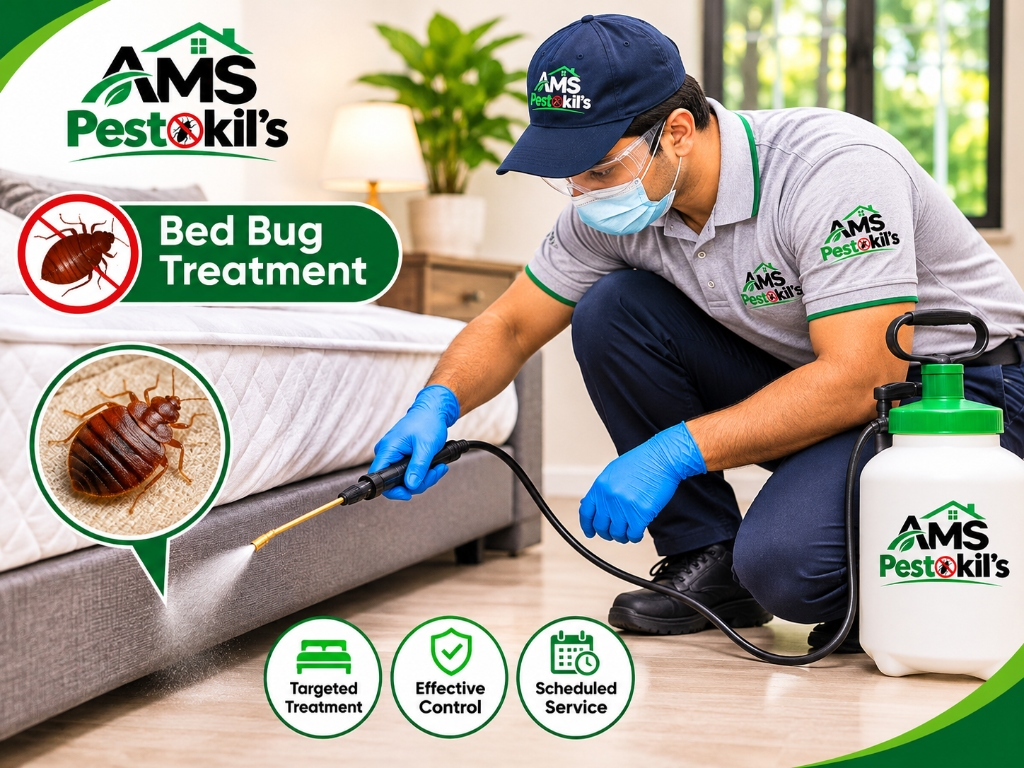 Bedding & Furniture
PEST PROFILE & INSIGHTS
The Persistent Challenge of Bed Bug Infestations
Bed bugs (Cimex lectularius) are secretive, nocturnal blood-feeding parasites that hide in microscopic seams and crevices during daylight hours. They easily hitchhike into homes via luggage, public transport, second-hand furniture, and guest belongings.
Their bites leave itchy, inflamed red welts typically grouped in straight lines or clusters, causing significant sleep deprivation, anxiety, and skin irritation.
Bed bugs can survive for months without feeding, waiting dormant within mattress tufts, headboard joints, and wallpaper edges.
A single female can lay up to 500 eggs in her lifetime. Because eggs are protected by a sticky cement-like coating, ordinary household sprays fail to penetrate them.
WARNING INDICATORS
Signs of Bed Bug Treatment Activity
Recognizing early warning indicators helps address the issue before significant damage or contamination occurs.
Itchy Morning Bites
Clusters or zigzag lines of itchy red welts on arms, neck, shoulders, and legs noticed upon waking.
Blood Stains on Sheets
Small, rusty reddish-brown smears on bed sheets or pillowcases from inadvertently crushed bugs.
Fecal Spotting
Tiny black dots resembling ink spots along mattress seams, bed frame joints, and electrical outlets.
Shed Skins & Egg Casings
Translucent straw-colored molted exoskeletons and tiny pearl-white egg casings in mattress folds.
INSPECTION HOTSPOTS
Frequently Affected Property Areas
Common harborages and structural zones where this pest is typically discovered during our site inspections.
Mattresses & Box Springs
Beading, seams, tufts, handles, and fabric corners.
Bed Frames & Headboards
Wooden screw holes, slat brackets, upholstered tufting, and wall-mounting brackets.
Sofas & Recliners
Cushion zippers, armrest crevices, and under-skirt lining.
Baseboards & Electrical Faceplates
Behind bedside switchboards, skirting gaps, picture frames, and curtain pleats.
METHODOLOGY
Our Systematic Inspection Approach
Before recommending or applying any treatment, our technicians execute a structured diagnosis.
01
Room-by-Room Forensic Check
Detailed examination of mattress seams, box springs, headboards, and adjacent bedside furniture with high-intensity magnification.
02
Dispersal Radius Audit
Checking adjoining bedrooms, living room upholstery, and luggage storage zones to map the infestation perimeter.
03
Treatment Protocol Customization
Formulating a two-stage treatment schedule to address both active adults and emerging nymphs.
TREATMENT TECHNIQUES
Targeted Treatment Protocols
Every formulation and application method is chosen based on pest species, property type, and safety parameters.
Targeted Residual Contact Spray
Applying specialized government-approved formulation directly into bed joints, headboard mounts, and skirting cracks.
Mattress Seam Treatment
Meticulous spot treatment of mattress piping and tufting with safe, low-toxicity approved compounds.
Crack & Crevice Micro-Mist
Flushing concealed voids behind electrical outlet boxes, picture frames, and wardrobe joints.
Mandatory 14-Day Second Round
A planned follow-up application after 12 to 15 days to eradicate newly hatched nymphs before they reach reproductive maturity.
CUSTOMER GUIDANCE
Preparation & Safety Guidelines
Simple measures to ensure the treatment is applied safely and achieves the highest efficacy for your premises.
STAGE 1
Before Treatment
Strip all bed sheets, pillow covers, and blankets. Wash them in hot water (above 60°C) and tumble dry on high heat. Remove clutter from under beds.
STAGE 2
During Application
Residents and pets must vacate the rooms being treated for 3 to 4 hours while the application dries and settles.
STAGE 3
After Care & Safety
Ventilate the rooms thoroughly upon return by opening all windows for 30 minutes. Encase mattresses in bed-bug-proof zippered covers.
SUSTAINABLE PROTECTION
Long-Term Prevention Recommendations
Sustaining pest-free living requires sensible sanitation, moisture management, and physical exclusion practices.
Inspect Hotel Luggage
Keep suitcases on elevated luggage racks when traveling; inspect seams before unpacking at home.
Use Protective Mattress Encasements
Install certified zippered mattress protectors that eliminate seams where bed bugs can hide.
Quarantine Second-Hand Furniture
Carefully inspect vintage furniture, wooden bed frames, and used books before bringing them indoors.
Wash Bedding at High Temperatures
Wash bed linens frequently in hot water to neutralize any stray pests before they multiply.
CLEAR ANSWERS
Frequently Asked Questions
Common questions regarding our bed bug treatment procedures, safety measures, and expected timelines.
Bed bug eggs are protected by a resilient protein coating that chemicals cannot penetrate. The mandatory second visit after 12–15 days targets the newly emerged nymphs before they can lay eggs.
In most cases, NO. Our targeted treatments successfully eradicate bed bugs from mattresses and headboards. Only severely compromised or torn bedding may need replacement.
Yes. Bed bugs migrate easily through electrical conduits, hallway carpets, and shared plumbing shafts, especially if an aggressive store-bought spray has scattered them.
Yes, once completely dry. We mandate a 3 to 4 hour vacancy during treatment and thorough airing out afterward to ensure zero exposure risk.
RELATED SOLUTIONS
Complementary Pest Management Services
Often pest concerns occur simultaneously. Explore other targeted treatments we provide across Bengaluru properties.

TRANSPARENT & HONEST CONSULTATION
Need Professional Bed Bug Treatment for Your Property?
Contact AMS PestOkils today for an honest, inspection-led assessment. We evaluate the concern and suggest a practical treatment approach tailored to your space.